×
- Hello
- Login or Register
- Quick Links
- Live Chat
- Track Order
- Parts Availability
- RMA
- Help Center
- Contact Us
- Shop for
- Mazda Parts

My Garage
My Account
Cart
Genuine Mazda Starter
Starter Ignition- Select Vehicle by Model
- Select Vehicle by VIN
Select Vehicle by Model
orMake
Model
Year
Select Vehicle by VIN
For the most accurate results, select vehicle by your VIN (Vehicle Identification Number).
62 Starters found
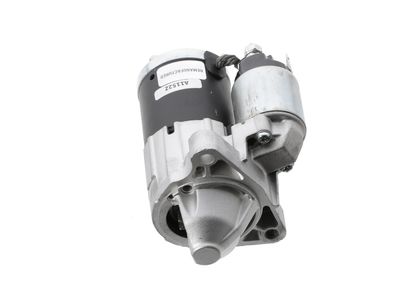
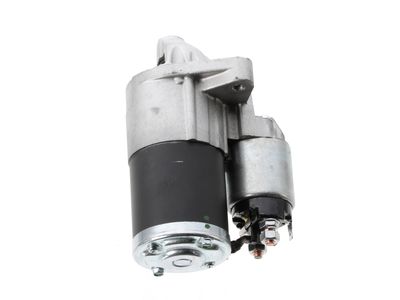
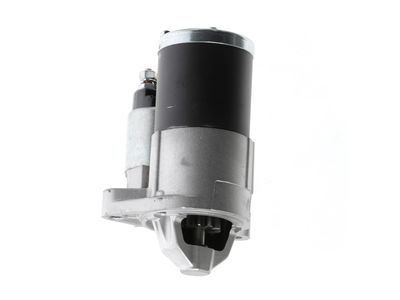
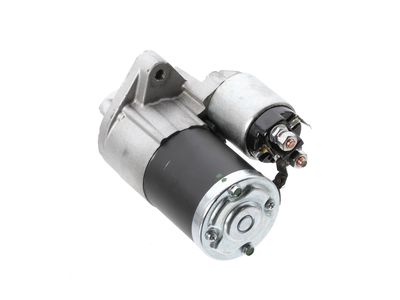
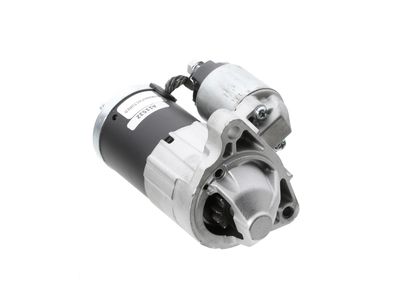
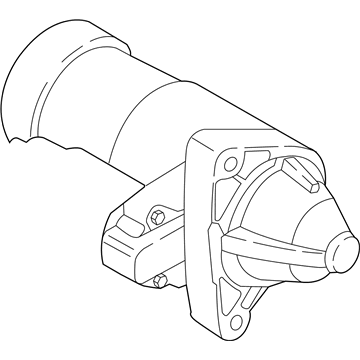
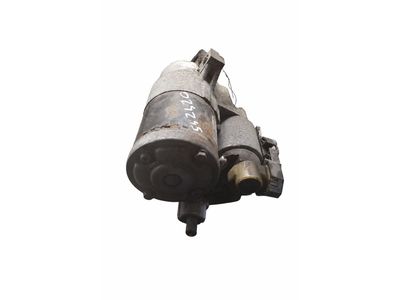
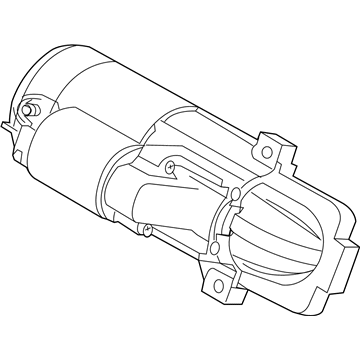
Mazda Starter Part Number: PY01-18-400R-00
$244.35 MSRP: $325.86You Save: $81.51 (26%)Ships in 1-2 Business DaysProduct Specifications- Other Name: Reman Starter
- Replaced by: PY01-18-400
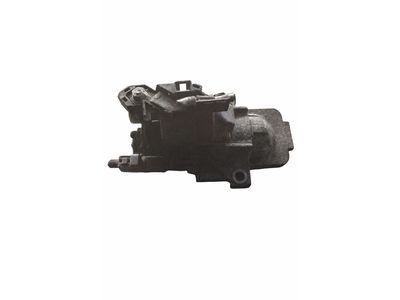
Mazda Starter Part Number: LF8J-18-400B
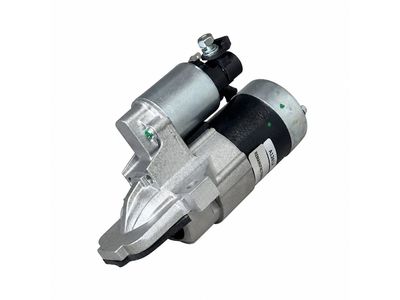
$178.86 MSRP: $238.53You Save: $59.67 (26%)Ships in 1-2 Business DaysProduct Specifications- Replaces: LF8J-18-400A
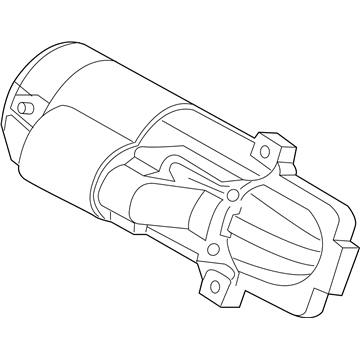
Mazda Starter Part Number: L327-18-400R-0A
$239.56 MSRP: $319.48You Save: $79.92 (26%)Ships in 1-2 Business DaysProduct Specifications- Other Name: Reman Starter
- Replaced by: L327-18-400
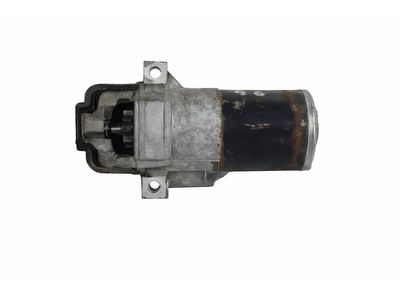
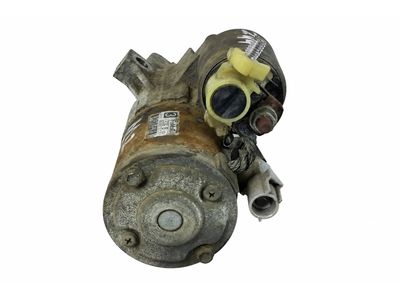
Mazda Starter Part Number: L538-18-400R-0C
$667.29 MSRP: $911.78You Save: $244.49 (27%)Ships in 1-2 Business DaysProduct Specifications- Other Name: Reman Starter
- Replaced by: L538-18-400B
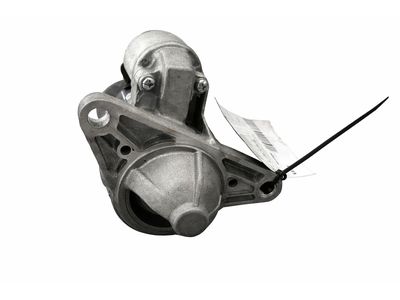
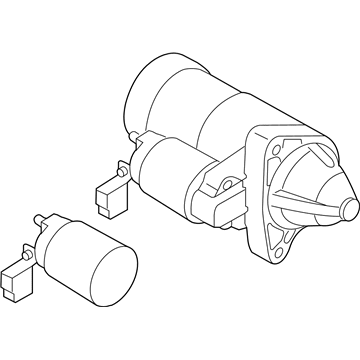
Mazda Starter Part Number: PX4J-18-400
$93.43 MSRP: $124.59You Save: $31.16 (26%)Ships in 1-2 Business DaysProduct Specifications- Replaced by: PX4K-18-400
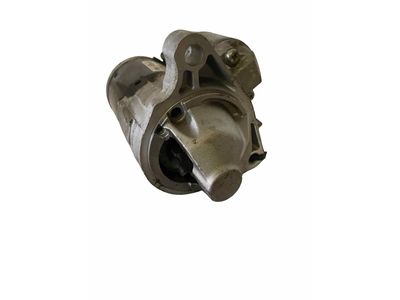
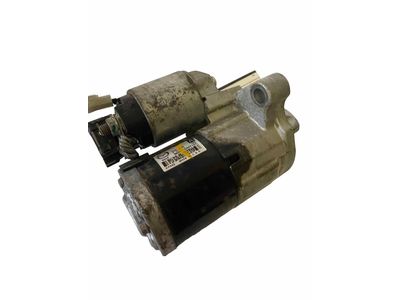
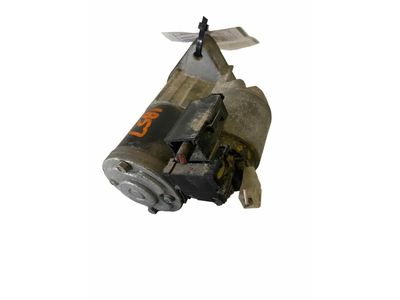
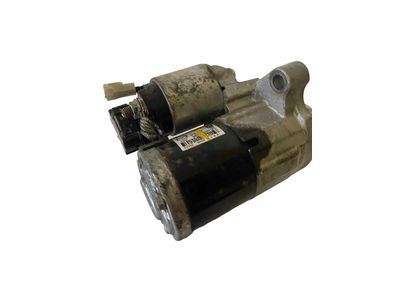
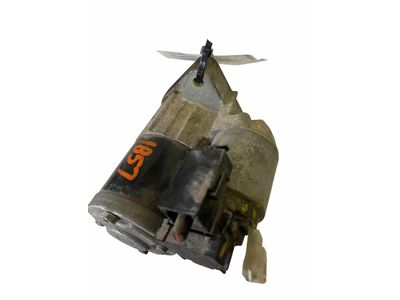
Mazda Starter Part Number: PE07-18-400R-00
$243.68 MSRP: $324.97You Save: $81.29 (26%)Ships in 1-2 Business DaysProduct Specifications- Other Name: Reman Starter
- Replaced by: PE07-18-400
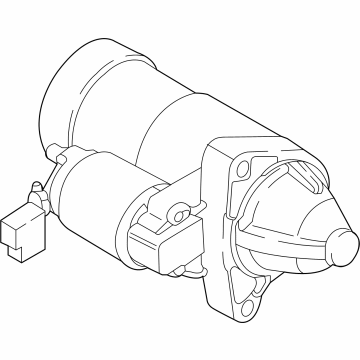
Mazda Starter Part Number: H301-18-400
$211.94 MSRP: $282.64You Save: $70.70 (26%)Ships in 1-2 Business Days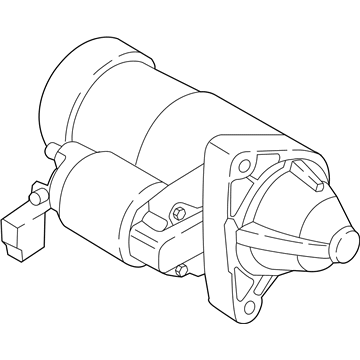
Mazda Starter Part Number: PEKP-18-400
$407.95 MSRP: $548.43You Save: $140.48 (26%)Ships in 1-2 Business DaysMazda Starter Part Number: PE01-18-400
$236.95 MSRP: $315.99You Save: $79.04 (26%)Ships in 1-2 Business Days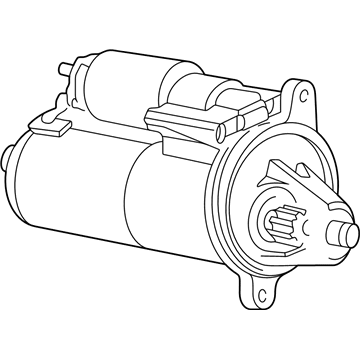
Mazda Starter Part Number: 1F20-18-400R-0C
$45.14 MSRP: $59.25You Save: $14.11 (24%)Ships in 1-2 Business DaysProduct Specifications- Other Name: Reman, Starter
Mazda Starter Part Number: ZZP0-18-400R-0A
$135.08 MSRP: $180.14You Save: $45.06 (26%)Product Specifications- Other Name: Reman, Starter
- Replaces: ZZP0-18-400, ZZP0-18-400A
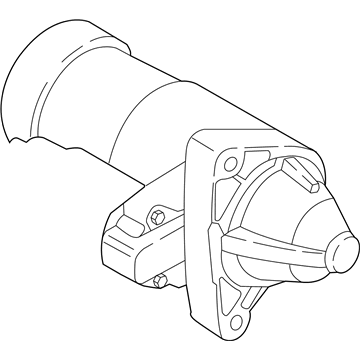
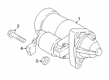
Mazda Starter Part Number: PYFL-18-400
$158.09 MSRP: $210.82You Save: $52.73 (26%)Ships in 1-2 Business DaysProduct Specifications- Replaced by: PYFM-18-400
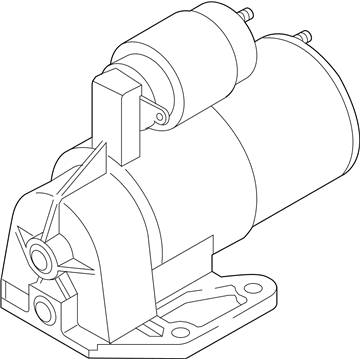
Mazda Starter Part Number: AJ03-18-400R-00
$200.41 MSRP: $267.27You Save: $66.86 (26%)Ships in 1-2 Business DaysProduct Specifications- Other Name: Reman Starter
- Replaces: AJ03-18-400
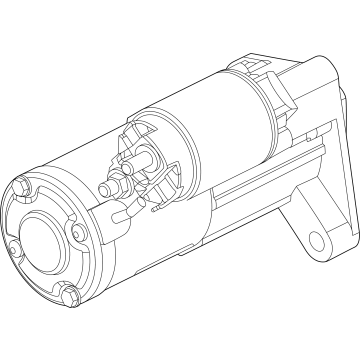
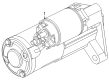
Mazda Starter Part Number: PXFV-18-400
$215.41 MSRP: $287.28You Save: $71.87 (26%)Ships in 1-2 Business Days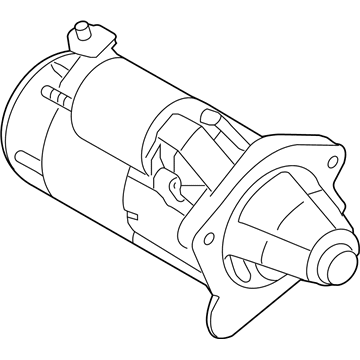
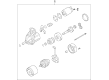
Mazda Starter Part Number: ZJ38-18-400
$229.06 MSRP: $305.48You Save: $76.42 (26%)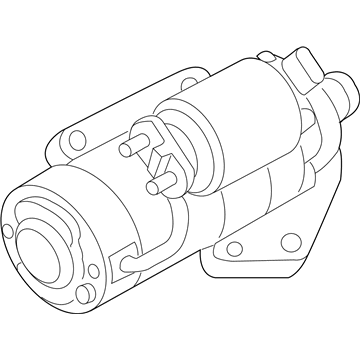
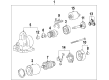
Mazda Starter Part Number: CA25-18-400R-0A
$230.90 MSRP: $307.93You Save: $77.03 (26%)Ships in 1-2 Business DaysProduct Specifications- Other Name: Reman Starter
- Replaced by: CA25-18-400
Mazda Starter Part Number: LF4J-18-400
$236.95 MSRP: $315.99You Save: $79.04 (26%)Ships in 1-2 Business Days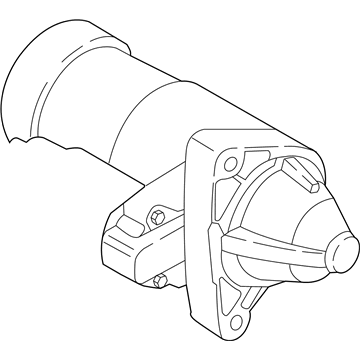
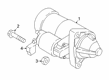
Mazda Starter Part Number: SH05-18-400
$243.93 MSRP: $325.30You Save: $81.37 (26%)Ships in 1-2 Business Days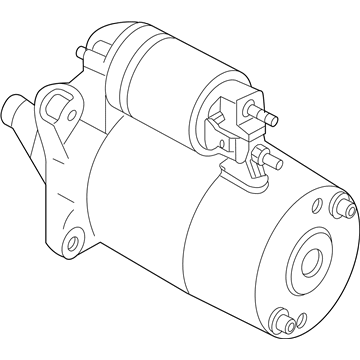
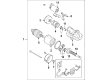
Mazda Starter Part Number: LFG1-18-400
$244.35 MSRP: $325.86You Save: $81.51 (26%)Ships in 1-2 Business DaysProduct Specifications- Replaces: LFG1-18-400R-0A, LFG1-18-400R-00
Mazda Starter Part Number: LF9H-18-400
$244.35 MSRP: $325.86You Save: $81.51 (26%)Ships in 1-2 Business DaysProduct Specifications- Replaces: LF9H-18-400R-00, LF9H-18-400R-0A
| Page 1 of 4 |Next >
1-20 of 62 Results
Mazda Starter
Mazda Starter provides fast, reliable engine cranking to get every journey started with confidence. Mazda vehicles sparkle for their feisty handling, Skyactiv engines that sip fuel without robbing performance, and the elegant Kodo styling that turns heads on city streets. The brand backs up the looks with features like i-Activsense such as lane keeping and radar cruise, providing drivers with technology that watches the road and makes long trips easier. Its dedication to efficiency is shown in hybrid and electric experiments, while i-Activ AWD proves itself on rough terrain, which means a Mazda balances fun, safety, and practicality in one sleek package. Equally vital, the universal Starter applied throughout the range has the job of converting battery power to rapid rotary motion, driving the flywheel with a compact gear set or direct drive to spin the engine to life. A sturdy housing, smart solenoid, and overrunning clutch allow the unit to bite and turn and then release smoothly so it does not grind when combustion takes over. Whether parked in winter cold or summer heat, the Starter provides high torque while having minimal strain on the battery to any Mazda on the road to ensure dependable ignition for daily commutes or weekend escapes. By combining nimble chassis dynamics with a powerful starting system, Mazda provides you with cars that are always ready to move the instant the driver twists the key.
You'll get great performance and real durability when you pick genuine OEM Starter. Mazda builds these using high-quality materials and official factory methods to ensure they hold up mile after mile. You deserve that Mazda reliability without the headache of cheap knockoffs. It is easy to find exactly what you need in our huge inventory of genuine parts. Plus, every OEM part carries a real manufacturer's warranty for your peace of mind. You will love our low prices too. Order today and we will ship your brand-new parts fast. They often reach your door in just a few days.
Mazda Starter Parts and Q&A
- Q:How to diagnose starter system problems on Mazda B2200?A:In order to diagnose the beginning system issues in Navajo models, use the charts given and observe all the safety measures because the amount of current that flows through the starter is high. On pickup models and MPVs ensure the battery is fully charged and then start the test by turning the ignition to start and ensure starter motor is functioning. In case of non-motor functioning, check the voltage between terminal S and ground, a reading of 8V and above is associated with faulty starter, and below 8V is wiring problem. In the magnetic switch pull-out test, battery voltage was applied to terminal S and pinion gap was checked using a 3.0L engine. In the return test, remove the motor wire of terminal M, provide battery power, and make sure that the overrunning clutch goes back to the initial position. Complete a no-load test by connecting the battery, starter, ammeter, voltmeter, and run the starter and voltage and current against recommended values 2.6L and 3.0L engines. To remove and install, disconnection of the negative battery cable is required and the vehicle should be raised and the starter should be removed by disconnecting electrical connectors and mounting bolts, and cleaning the mounting surfaces before substitution and attaching the bolts to a certain torque. In the case of 4WD MPV models, one has to remove drive belts, the power steering pump pulley, and the alternator among other parts after which the starter can then be accessed. To replace the solenoid, you will need to take off the starter, the field strap and the solenoid plunger of the shift fork before changing to the new solenoid making sure that the new solenoid is properly engaged and clearanced as needed before reattaching the starter and checking its operation.
- Q:How to detach the starter on Mazda MPV?A:In the case of 2WD, the first step is the removal of the cable that is attached to the negative battery terminal and then apply the technique of raising the vehicle and placing it on jackstands. Label and separate the wires of the starter and solenoid terminals and then strip off the mounting bolts to take off the starter once the electrical connections of the solenoid terminals have been removed. In 4WD models, begin with the same beginning steps of removing the negative from a battery cable and placing the car on jackstands. The next thing to do is take out the splash pan of the undervehicle, the fuel/brake line cover and then the front driveshaft. Disconnect the alternator electrical connectors, unscrew the power steering pump drivebelt, disconnect the power steering pump and take it out. Next, take out the steering pump mounting bolts along with the power steering pulley leaving the hoses to the pump in place so that they do not get lost. Take out transmission cooler line brackets and wiring harness bracket, and then taking out the wire of the starter solenoid. Lastly, unscrew the mounting bolts to remove the starter and the process is the same in the installation of the starter in both models.

Related Mazda Parts
 Mazda Alternator
 Mazda Starter Solenoid
 Mazda Battery Sensor
 Mazda Alternator Bearing
 Mazda Alternator Bracket
 Mazda Alternator Brush
 Mazda Alternator Pulley
 Mazda Armature
 Mazda Battery Hold Downs
 Mazda Starter Brush
 Mazda Starter Drive Gear
 Mazda Voltage Regulator
Browse by Model
2 Starter 3 Starter 323 Starter 5 Starter 6 Starter 626 Starter 929 Starter B2200 Starter B2300 Starter B2500 Starter B2600 Starter B3000 Starter B4000 Starter CX-3 Starter CX-30 Starter CX-5 Starter CX-50 Starter CX-7 Starter CX-70 Starter CX-9 Starter CX-90 Starter Miata Starter Millenia Starter MPV Starter MX-3 Starter MX-5 Miata Starter MX-6 Starter Navajo Starter Protege Starter Protege5 Starter RX-7 Starter RX-8 Starter Tribute Starter